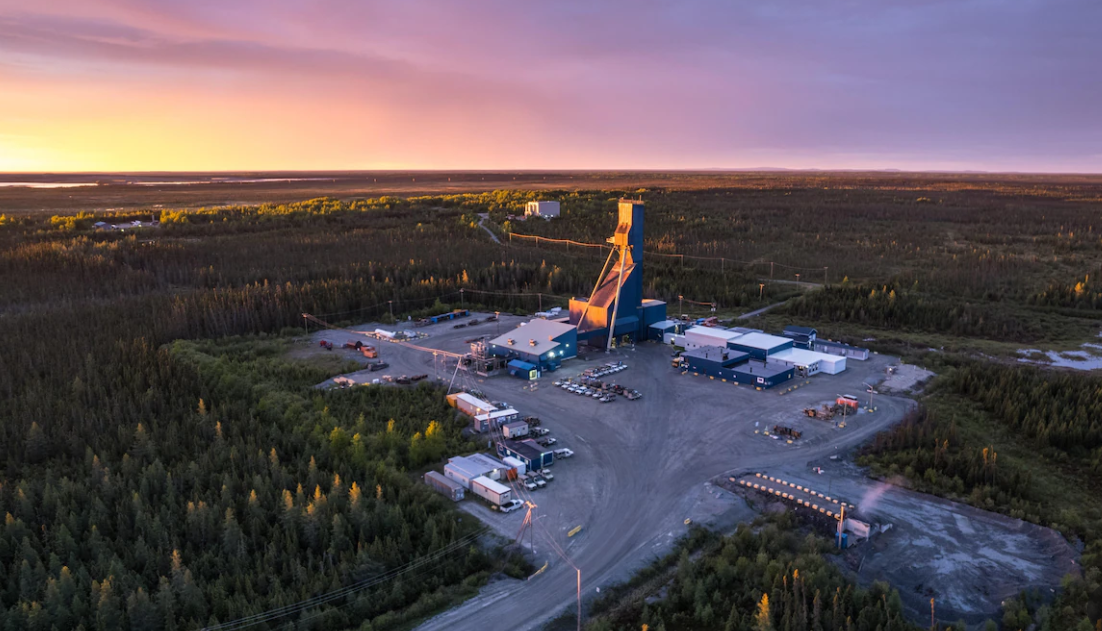
3 Lithium's produces battery-grade lithium carbonate from low-grade brines from its Direct Lithium Extraction demonstration plant in Alberta. Courtesy of E3 Lithium.
An industry coalition is bringing together organizations across sectors and governments to help strengthen Canada’s critical materials ecosystem.
The Future Materials Alliance (FMA) was officially launched on Sept. 10, led by the Energy Futures Lab in partnership with the Battery Metals Association of Canada, the Transition Accelerator and the Indian Resource Council.
The Calgary, Alberta-based alliance provides a collaborative platform for industry, governments, Indigenous Nations, investors, researchers and communities to identify and advance regional critical materials opportunities, particularly in Western and Northern Canada.
FMA is focused on advancing Canada's biggest opportunity beyond extraction: midstream processing, refining, materials production, and circularity.
“Canada is rich in critical mineral resources, but long-term competitiveness increasingly depends on the ability to process, refine, manufacture and transform those resources into the high-value materials essential to advanced manufacturing, clean energy, defence and digital technologies,” the alliance said in its launch announcement.
The organization’s work centres on identifying the infrastructure, workforce, education, industrial and investment requirements needed to develop those supply chains. It also aims to connect potential projects and companies with the communities and partners needed to move them forward.
“We’re identifying regional workforce, education, infrastructure and industrial opportunities, while connecting companies and communities around a broader regional plan,” the alliance said in its launch announcement. “That groundwork helps derisk investment at the community level and strengthens Western and Northern Canada’s role in Canada’s critical materials future.”
In late 2025, the FMA, then known as the Western Canadian Critical Materials Alliance, held two sessions in Central Alberta focused on critical materials opportunities. It plans to expand that work into Northern Alberta next month, in October, with further engagements across Western and Northern Canada planned for 2027.
The FMA has also participated in broader policy discussions at the Western and Northern Energy and Mines Ministers’ Summit in Vancouver in January 2026, which resulted in a memorandum of understanding to strengthen cooperation on critical minerals and materials development and the development of the Western Canadian Critical Minerals Strategy (which was officially launched in June). Additionally, the alliance has appeared before the House of Commons Standing Committee on Industry and Technology in April to discuss vulnerabilities in Canada’s critical materials supply chains.
The alliance is now inviting additional participants from government, industry, Indigenous Nations, investment, research and communities to help develop projects and conditions that can attract investment and build Canada’s critical materials capacity.