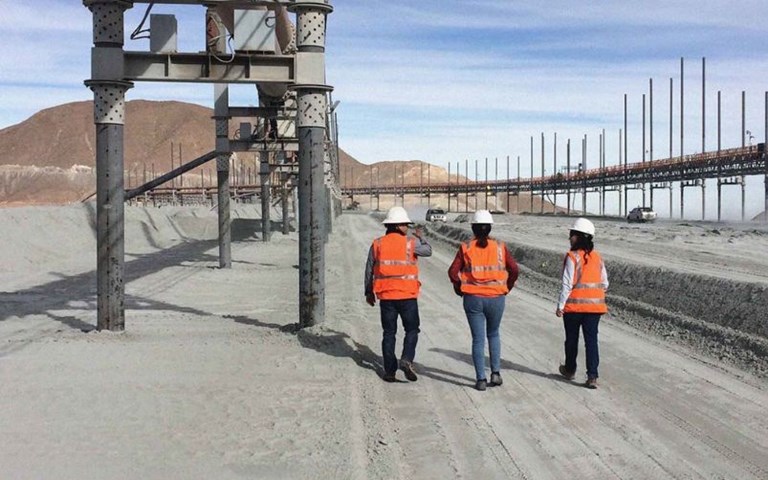
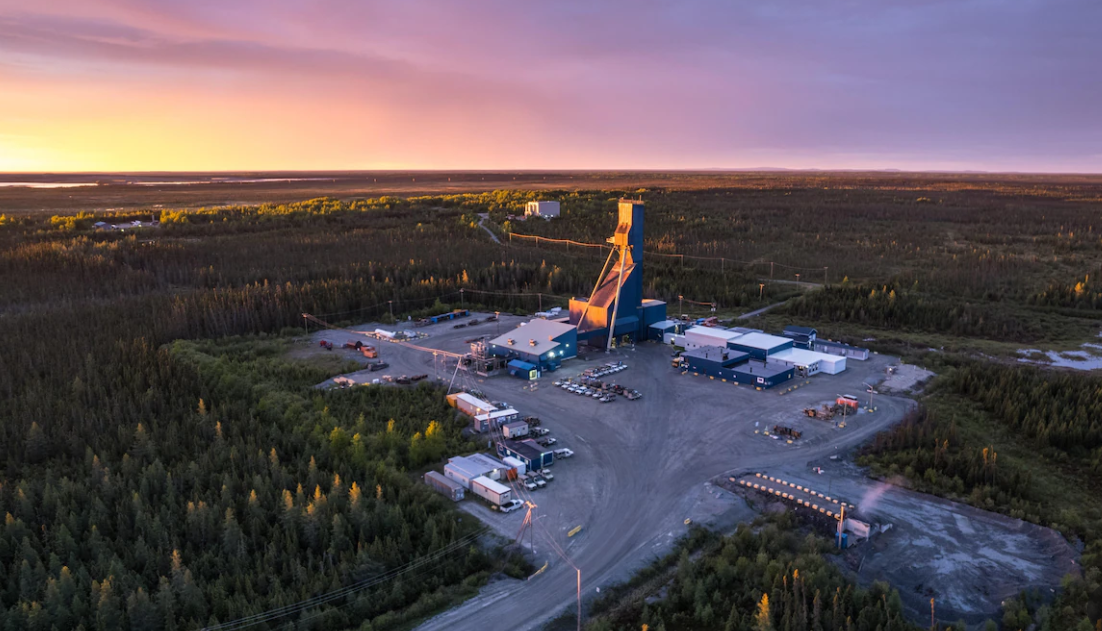
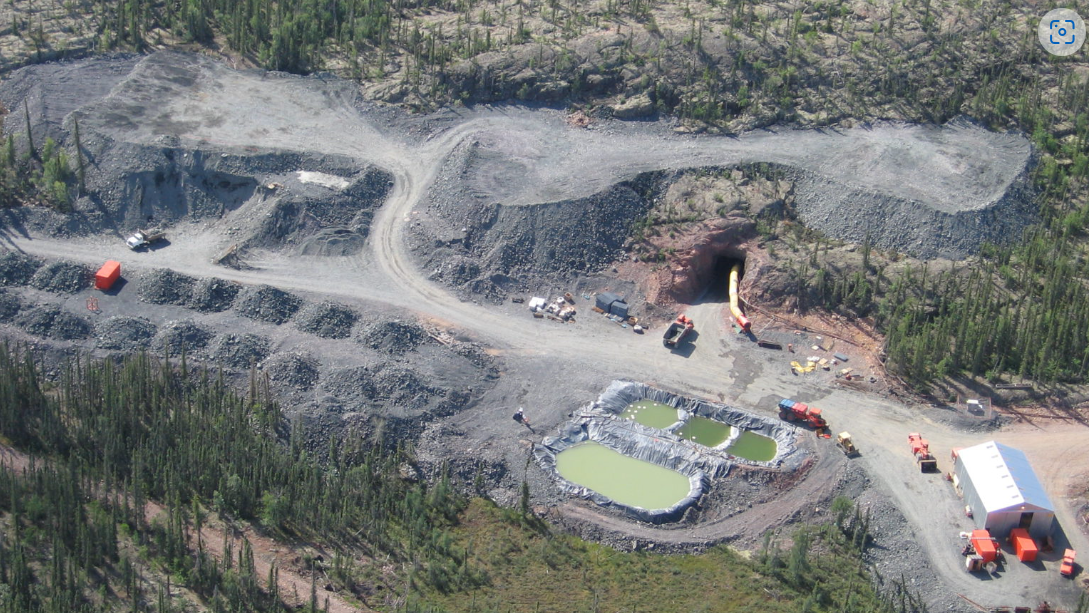
Four types of hazards—fall of ground, mobile equipment, working at height and inrush and outburst incidents—accounted for 34 of 39 fatalities among ICMM member companies in 2025. Courtesy of ICMM.
Mining companies that are members of ICMM recorded their lowest-ever rate of reportable injuries in 2025, but 39 workers still lost their lives.
The figures from ICMM’s annual Safety Performance Report highlighted a challenging next stage for global mining safety. Many of the hazards capable of causing multiple deaths are already well understood, as are the controls designed to manage them. The challenge, according to ICMM, is ensuring that those controls remain effective when conditions change and are consistently applied in practice.
The organization’s 26 member companies reported 39 fatalities last year, down from 43 in 2024. The fatality frequency rate also edged down, from 0.015 to 0.014 fatalities per million hours worked.
However, the longer-term picture is less reassuring. The number of fatalities has generally risen since 2021, reversing an earlier downward trend and suggesting that progress in preventing the most serious incidents is slowing.
Two catastrophic incidents accounted for a third of all deaths in 2025. A fall-of-ground event at a mine in Chile killed six people, while an inrush and outburst incident—a sudden, uncontrolled inflow or release of water, gas or material—at a mine in Indonesia killed seven. Both occurred underground and involved contract workers.
ICMM said catastrophic incidents are typically linked to failures in a limited number of high-reliability “critical controls,” which are measures designed to prevent a fatal or catastrophic event or reduce its consequences. The challenge is ensuring that those controls are properly implemented and maintained in practice.
The picture is different in the broader injury data, which continued to improve.
ICMM members reported 6,183 total recordable injuries in 2025, the lowest annual number recorded by ICMM since it began collecting safety performance data of its members in 2008. The total recordable injury frequency rate fell to a record low of 2.21 per million hours worked, compared with 5.07 in 2012.
Yet ICMM found no consistent correlation between injury frequency and fatality frequency across companies. Fourteen of its 26 members recorded no fatalities in 2025, but five of those companies still had total recordable injury frequency rates above the ICMM average for the year.
“The re-emergence of catastrophic incidents is a stark reminder that critical controls are still failing too often,” Rohitesh Dhawan, president and CEO of ICMM, said in a July 30 news release. “That is why we encourage the entire mining and metals industry to share lessons openly and regularly, maintain a commitment to safety at the highest levels of leadership and use ICMM’s publicly available resources to help prevent future tragedies.”
Critical controls under scrutiny
Fatalities were heavily concentrated around a small number of hazards. Fall of ground and mobile equipment each caused 10 deaths in 2025, while working at height and inrush and outburst events caused seven each. Together, those four categories accounted for 34 of the 39 fatalities.
Underground mines accounted for the largest share of fatalities, with 27 fatalities, or 69 per cent of the total for the year. When combined with other process areas such as milling and leaching plants, the two settings accounted for 92 per cent of deaths.
ICMM’s insights report explained that these hazards can develop quickly and leave workers with little opportunity to recover control once it is lost. Ground behaviour can change, gas levels can shift and operational conditions can move beyond the assumptions used in an original risk assessment.
According to ICMM, the problem is often not that those controls have never been identified. In 19 of the 26 fatal incidents assessed by ICMM, the main control failure was ineffective control execution. Five more involved inadequate control design and two involved controls that were absent or unidentified.
ICMM said companies need to move beyond checking whether a control exists and instead should test whether it will actually perform when needed. That means clear ownership, measurable performance requirements, routine field verification and defined actions when a control is missing, degraded or uncertain.
“While fatalities fell slightly this year, the broader trend since 2021 remains deeply concerning,” Dhawan said. “Until every worker returns home safely, we must remain relentless in our efforts to eliminate fatalities across our industry.”