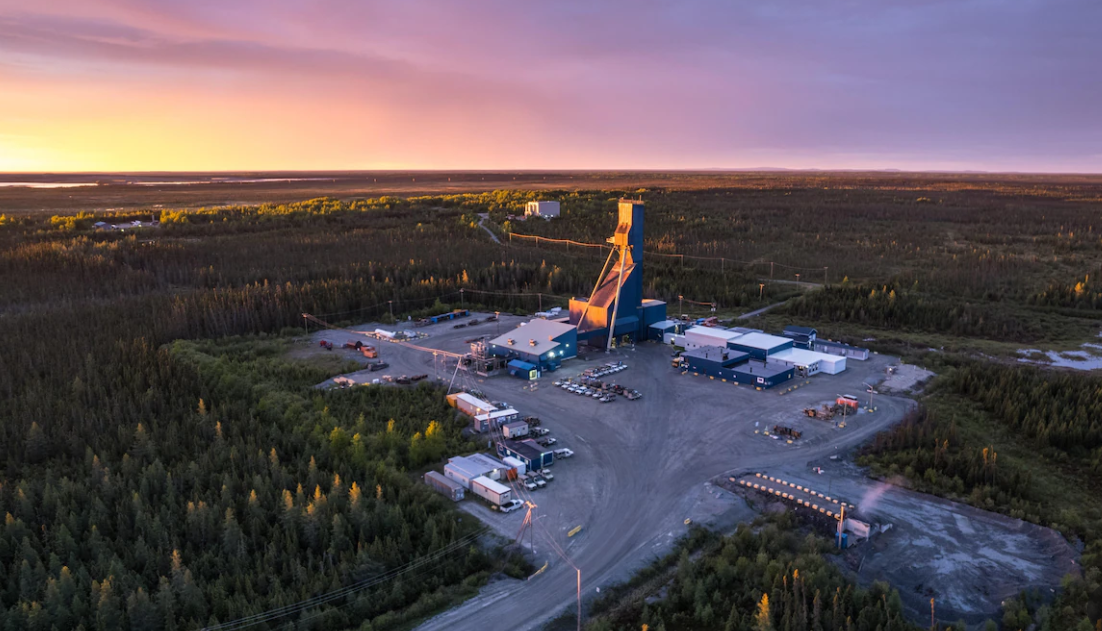
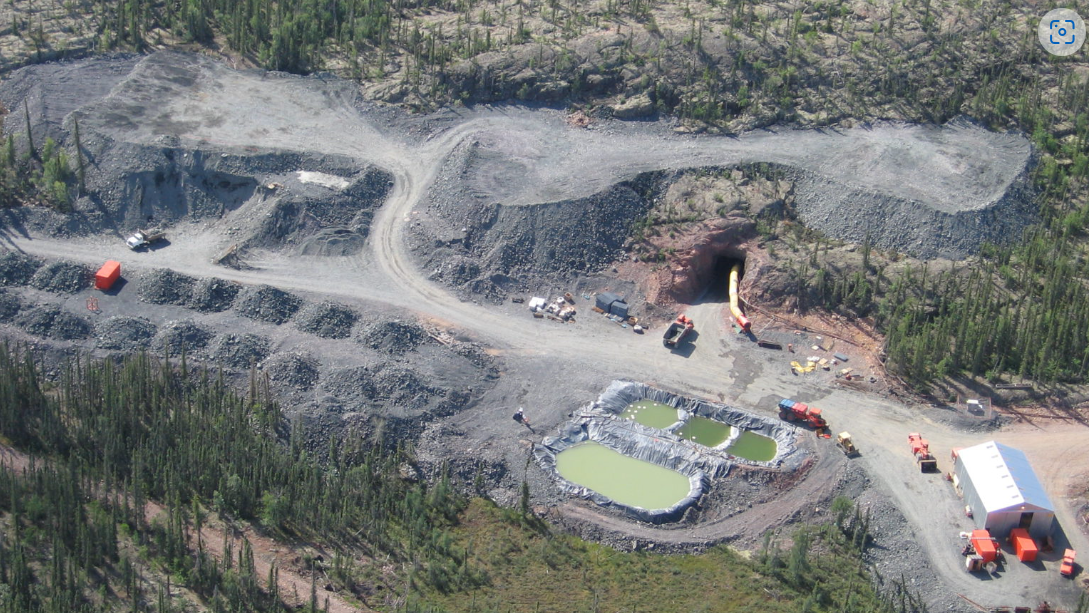
The tax measure will allow mining companies to claim 100 per cent deductions on assets such as heavy machinery, processing and refining equipment, transportation, and infrastructure. Courtesy of Tom Fisk via Pexels
The federal government has announced that it is changing how businesses can deduct the costs of new investments with the introduction of the Productivity Mega Deduction (PMD).
This new permanent tax measure, announced on Sept. 15, would allow businesses—including mining companies—to deduct the full cost of a range of eligible capital investments in the year an asset is acquired and becomes available for use.
This would mark a significant change from Canada's existing tax system, under which companies usually deduct the cost of depreciable assets over several years through the capital cost allowance system.
For the mining industry, where projects require substantial upfront investment and can take years to generate revenue, the ability to claim deductions on heavy machinery, processing and refining equipment, transportation, and infrastructure sooner could be a game changer for project economics.
“It's a timing game to reduce the heavy hurdle [of developing a mine],” explained David Anonychuk, senior vice-president - advisory and growth, North America at DRA and co-chair of the CIM Capital Projects Symposium in an interview with CIM Magazine. “They're not getting all the benefits of the revenue initially because they've got to put up a lot of upfront costs.”
By allowing companies to deduct more of their investment sooner, the measure could help ease that initial financial burden, improve cash flow and strengthen a project's financial returns.
The new tax break can make a project's financial model more attractive to potential investors as well, added Carlos da Costa, adjunct finance professor at the University of British Columbia and co-chair of the CIM Capital Projects Symposium.
“When there are significant write-offs from day one, project valuations look far more attractive to potential investors,” he said to CIM Magazine.
Da Costa explained that realizing tax benefits sooner rather than later can result in a higher net present value. This would make projects more valuable to potential financiers and give them a greater incentive to invest.
“Mining is competing with other industries too,” da Costa added. “It doesn't have the same lustre as it used to in our parents' time, so what we have to do is make it sound sexier to traditional and new investors.”
The real benefits of the PMD will depend on a company's circumstances, particularly its ability to generate taxable income against which to claim deductions.
“It's going to benefit the bigger companies that are doing the big heavy lifting” compared to perhaps early-stage developers without revenue, Anonychuk said. “If you've got already a decent project, this is going to just improve the way you are, but it's not going to solve the problems for [bad] projects.” Making Canada more competitive
Beyond improving individual project economics, the measure is also part of a broader federal effort to attract investment to Canada and position the country as a competitive destination for global capital.
Anonychuk said the government has been consistent in its messaging about attracting investment, pointing to the Canada Investment Summit held in September, where the federal government showcased major Canadian projects to potential investors.
The PMD is another tool in that effort, Anonychuk said, giving investors an additional reason to consider Canada when weighing opportunities against other jurisdictions with similar risk profiles, such as the United States.
“What the Canadian government is signalling [...] is just one more tool in their coffer to make Canada an attractive investment jurisdiction,” he said. “All of those little things add up.”
For investors already comparing projects across jurisdictions, even a relatively small improvement in potential returns could prompt a second look at opportunities in Canada.
“If they’re like, ‘Hey, now Canada is just that little bit more attractive,’ it just means that they're going to relook and sharpen their pencils,” he said. “‘Those projects that maybe I wasn’t so sure [about], maybe I can get a little bit extra benefit now. I'm going to relook at Canada because they're really trying to draw me into investing.’”
The federal government estimated that the PMD measure will reduce Canada's marginal effective tax rate on new business investment from 13 per cent to 6.4 per cent, claiming that it is the lowest of any major economy in the world and less than half the rate in the United States.
Bigger picture
Both Anonychuk and da Costa stressed that tax policy is only one factor in a much larger investment decision. Mining companies need more than favourable tax treatment to move projects forward, including sufficient capital, timely permitting, a skilled workforce and the infrastructure to support operations.
“[The PMD] is a small tidbit,” da Costa said. “You can have the best tax incentives, but if the permitting is not there, if the people are not there, and also government cooperation [...] all these things are a part of the equation.”
For remote mining operations especially, infrastructure is another major consideration, including access to roads, electricity and ports. Addressing workforce shortages, meanwhile, requires investment in more training and recruitment.
These challenges, along with the broader financial and geopolitical pressures shaping project development today, will be among the topics explored at the CIM Capital Projects Symposium, taking place Nov. 8 to 10 in Toronto. The 2026 program will examine issues ranging from project financing and development gaps to execution excellence, market dynamics and resource constraints. The conference will bring industry professionals together to explore the conditions needed to turn Canada's resource potential into successfully operating mines.