S
hannon Carla King has spent nearly 30 years working in the mining and energy industries at Suncor, Imperial Oil and BP, and has been painting reclamation sites since 2017. Her work aims to bring examples of successfully reclaimed sites to audiences who might otherwise never encounter them.
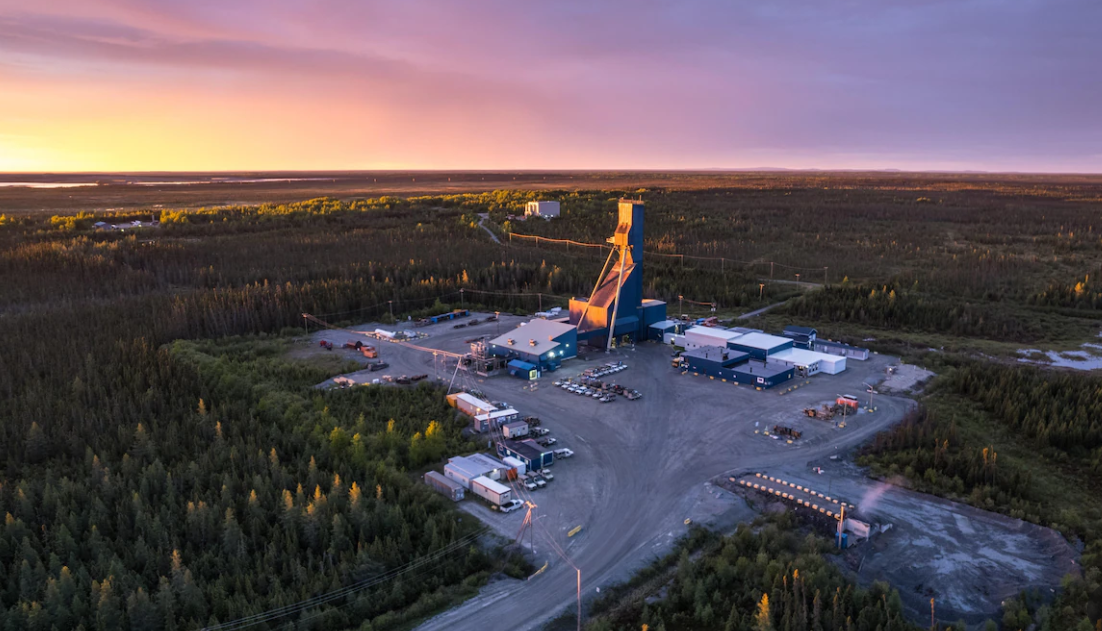
Her most recent painting depicts the former Cluff Lake uranium mine in northern Saskatchewan, which ceased operations in 2002 and has since undergone extensive reclamation. King was drawn to the site after seeing the reclamation work publicly promoted by the mine operator, Orano Canada, in videos, drone footage and stories from people who worked there.
“When I saw Cluff Lake being advertised by Orano as an accomplishment, I was just thrilled,” King said. “The yellows in northern Saskatchewan in the fall were very vibrant and I just wanted to show people that there’s beauty in the area.”
Unable to visit the remote site herself, King used company-provided drone footage as inspiration. “It is very difficult to find success stories on reclamation because companies often don’t take the initiative to advertise it,” she said. “If the company has not invested in taking before and after pictures, if they haven’t invested in a wildlife camera, if they haven’t invested in a photographer who is taking professional photos or professional drone footage to share with the public, the site is largely unknown.”
King argued that this information gap can also influence how people understand mining and reclamation online. Mining companies will publish technical information about their projects, but if successful reclamation is not documented in accessible language and imagery, that information can be difficult for the public to find.
“There is a vast gap in data [online] and so there is a chasm between people who know about reclamation and people who don’t,” she said.
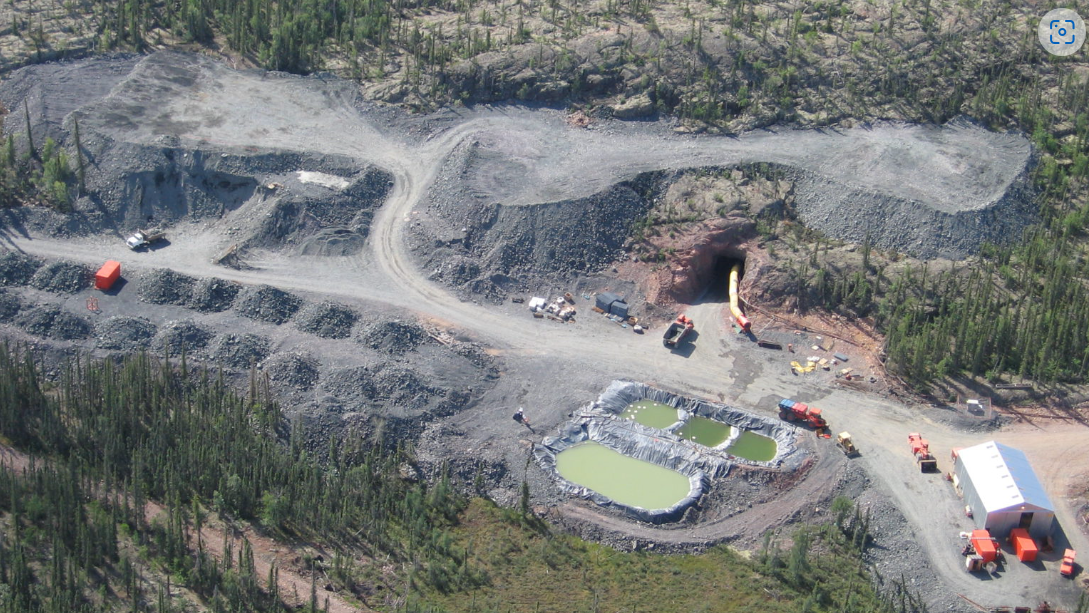
Reclamation photographs, such as images that show workers in personal protective equipment, can also influence public perception. While for an industry audience, those images can demonstrate a company’s commitment to safety, King said they can conversely communicate danger to someone unfamiliar with mining.
“If you’re advertising to the public about a successful reclamation site, wouldn’t it possibly be better for the public to digest it if somebody was walking around with their son and their dog, and they were wearing T-shirts and collecting flowers to demonstrate the soil is healthy, the water and air are safe, and there’s no major equipment on the site anymore?” she said.
King has exhibited her reclamation paintings at galleries, energy events, community spaces and pop-up exhibitions across Canada, where she combines her paintings with before-and-after photographs, articles, stories and virtual reality experiences. In her experience, a painting often serves as the initial invitation to learn more.
“The first thing [people] say is, ‘Wow, that is so beautiful. Where is that?’ And I say, ‘That’s a settling pond in the middle of an oil sands mine in northern Alberta,’ and their body language changes,” she said. “And I say, ‘Would you like to learn more about it?’ And they always say yes.”
For King, that reaction demonstrates why art can play a key role in communicating technical work.
“Art has always been used to communicate,” she said. “I believe there is an opportunity to bring in the arts to translate for science, technology, engineering and mathematics accomplishments.”