Polymetallic nodules on the ocean floor contain critical minerals such as cobalt, nickel, copper and manganese—resources at the centre of commercial deep-sea mining efforts the Trump administration is now seeking to fast-track through a streamlined U.S. permitting process. Courtesy of the National Oceanic and Atmospheric Administration.
Welcome back to your weekly mining news recap, where we catch you up on some of the news you may have missed. This week’s headlines include BHP raising costs for the first stage of its Jansen potash project in Saskatchewan, Snowline Gold inking a memorandum of understanding with Na-Cho Nyäk Dun First Nation, and a U.S. push for deep-sea mining.
The CIM Health and Safety Society is developing a national serious injury and fatality (SIF) database to address gaps in Canada’s fragmented mining safety reporting. The data-driven initiative will track fatalities and eventually serious injuries, identify critical control failures and provide SIF prevention tools to participating companies. The project aims to launch a beta test of the database by May, with an industry survey open until Feb. 28 to help shape the system’s design and use.
Centerra Gold released a preliminary economic assessment for its Kemess copper-gold project in British Columbia, which estimated an after-tax net present value of US$1.1 billion at a five per cent discount rate. The study outlined a 15-year mine life with an annual average production of 171,000 ounces of gold and 61 million pounds of copper, with initial capital costs of US$771 million. Centerra also announced this week that its Mount Milligan copper-gold mine in British Columbia has received permits to extend the life of the operation by seven years until 2035, including a 10 per cent expansion in plant throughput starting in 2028.
A recent Canada Infrastructure Bank research paper highlighted major barriers inhibiting investments in Canadian critical minerals projects, including limited access to debt and equity financing, low familiarity with critical mineral markets among financiers and a lack of transparent, reliable market pricing. According to the report, these factors increase perceived risk, deter private capital and help explain why many projects remain stalled at the pre-production stage, often requiring government participation to move forward. Some solutions to overcome these barriers include de-risking revenues through tools like offtake agreements or price supports, streamlining regulatory approvals, and supporting Indigenous equity participation.
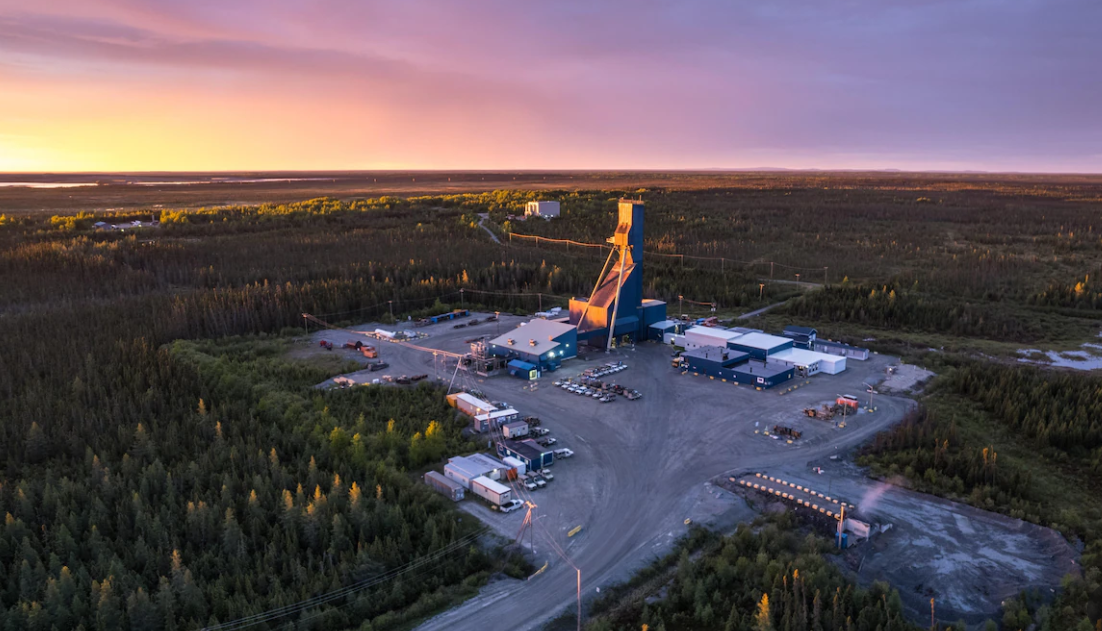
BHP has raised the cost estimate for the first stage of its Jansen potash project in Saskatchewan to US$8.4 billion, up from a previous estimate of between US$7 billion and US$7.4 billion projected in July 2025. According to the company, the increase stems from “construction hours and quantities of materials that were not included in previous execution cost estimates.” Construction of the project’s first stage is now 75 per cent complete, with production expected in mid-2027.
The Trump administration is moving to accelerate U.S. deep-sea mining by streamlining the permitting process for companies seeking to extract critical minerals from the ocean floor in international waters, Reuters reported. A new U.S. National Oceanic and Atmospheric Administration rule would merge licensing and permitting into a single, faster review process, despite unresolved global standards for deep-sea mining as well as environmental and legal concerns.
Snowline Gold signed a memorandum of understanding this week with the First Nation of Na-Cho Nyäk Dun covering exploration and potential mine development at the company’s Rogue gold project in Yukon. The agreement sets out a framework for ongoing consultation with the First Nation, supports Indigenous governance and environmental stewardship and sets the foundation for future agreements focused on sustainable development and long-term community benefits.
Sibanye-Stillwater said construction of its Keliber lithium project in Finland remains on track for completion in the first quarter of this year. The project is expected to produce around 15,000 tonnes of battery-grade lithium hydroxide monohydrate annually for over 18 years. The company is pursuing a staged commissioning of the mine, concentrator and refinery to lower ramp-up risk by ensuring operational readiness in the mining and concentrating stages.
Mali’s military-led government has created a new ministerial position to oversee the country’s mining sector, appointing former Barrick Mining executive Hilaire Bebian Diarra to the role, Reuters reported. The move follows tougher mining laws, higher state involvement in the sector and a prolonged dispute with Barrick over its Loulo-Gounkoto gold complex.
EY’s annual report on the mining industry’s biggest risks and opportunities identified rising operational complexity as the top risk for 2026, Sara King-Abadi reported for CIM Magazine. Other key challenges include capital, labour shortages and geopolitics. The report urged strategic planning and greater collaboration—such as district-level partnerships—to manage risk, attract investment and support long-term growth in an increasingly complex operating environment.
That’s all for this week. If you’ve got feedback, you can always reach us at editor@cim.org. If you’ve got something to add, why not join the conversation on our Facebook, Twitter, LinkedIn or Instagram pages?