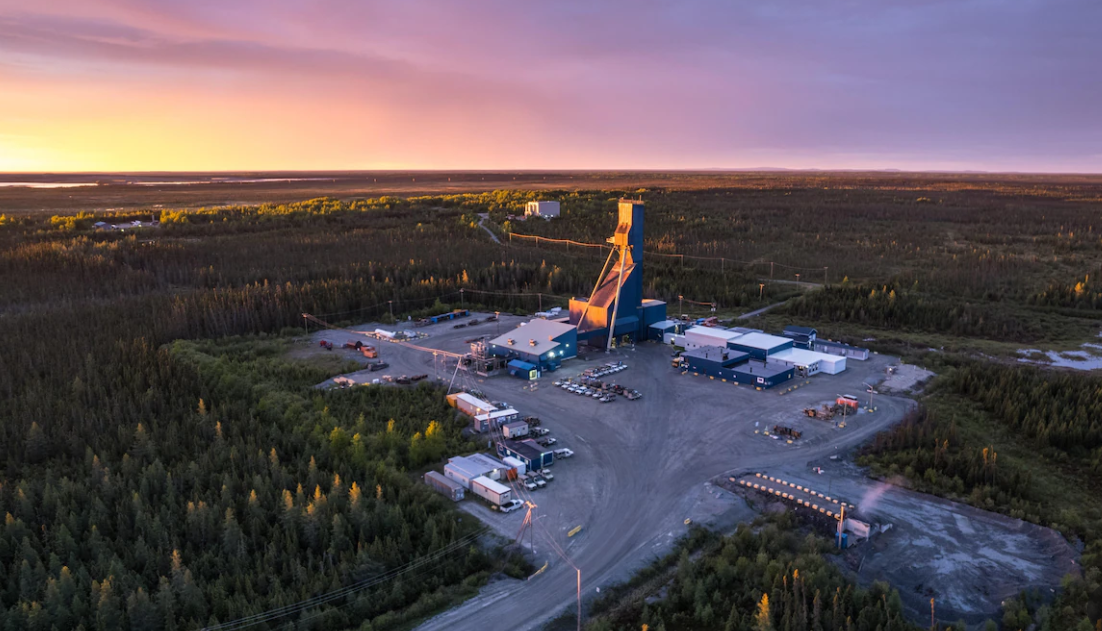
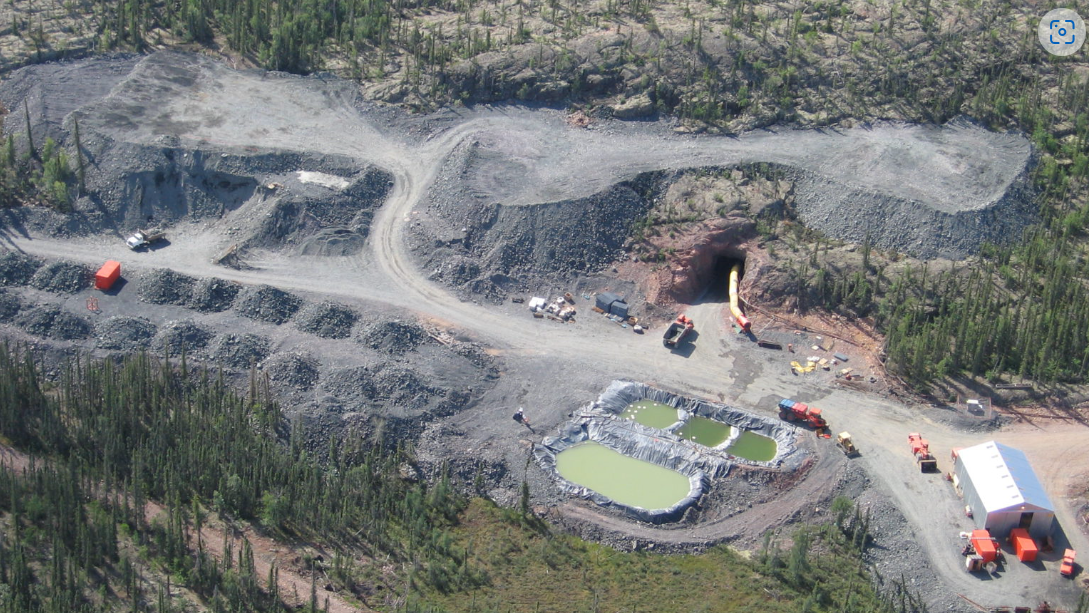
At the Wheeler River site in Saskatchewan (pictured), Denison Mines is progressing its Phoenix uranium project. Courtesy of Denison Mines.
Denison Mines has launched full-scale construction of its Phoenix in-situ recovery uranium project at its Wheeler River property in northern Saskatchewan.
The company began site preparation and early works in March. Since then, site clearing has been largely completed, key civil works have progressed and construction management facilities have been developed. Temporary camp facilities have also been installed and commissioned, increasing accommodation capacity to nearly 400 people.
According to David Cates, president and CEO of Denison, more than 20 per cent of overall site civil work is complete.
“Construction activity is expected to accelerate through the remainder of the summer months with the commencement of a second shift, which means seasonally sensitive civil and other construction work can continue virtually 24 hours a day in support of the completion of our key first-year construction milestones,” Cates said in a July 28 news release.
These milestones include pouring concrete foundations for the process plant and main power transformer, completing the installation of the perimeter freeze wall and advancing earthworks for the airstrip and on-site power distribution system.
Denison is targeting first uranium production for mid-2028.
“Achieving these positive early results demonstrates the readiness and commitment of Denison and our construction partners as we advance this unique nation-building project to become Canada's first new large-scale uranium mine since Cigar Lake,” Cates added. The Cigar Lake operation in Saskatchewan, jointly owned by Cameco and Orano Canada, reached commercial production in 2015.
Project history
The Phoenix project received environmental approval from the Saskatchewan provincial government in August 2025, followed by federal approval from the Canadian Nuclear Safety Commission in February 2026.
Denison estimated that Phoenix will require approximately $600 million in initial capital spending following the company’s final investment decision to proceed with construction.
Phoenix is expected to produce approximately 56.2 million pounds of uranium available for sale over an initial 10-year mine life. The project will use in-situ recovery, a method that dissolves uranium underground and pumps the uranium-bearing solution to the surface for processing.
Denison has also secured agreements supporting the Wheeler River project with English River First Nation, Kineepik Métis Local #9, Métis Nation–Saskatchewan and three Athabasca Denesułiné First Nations. Collectively, the agreements cover environmental oversight, employment and training, business opportunities, community investment and financial benefits.
The consultation process involved concerns raised by Peter Ballantyne Cree Nation (PBCN). PBCN filed a court challenge in October 2025, alleging Saskatchewan had failed to meaningfully consult the nation and had not provided enough time to assess the Wheeler River project’s potential effects on its lands. PBCN withdrew the challenge in July, after reaching a confidential agreement with Denison that provides various benefits, and the nation now supports the project.