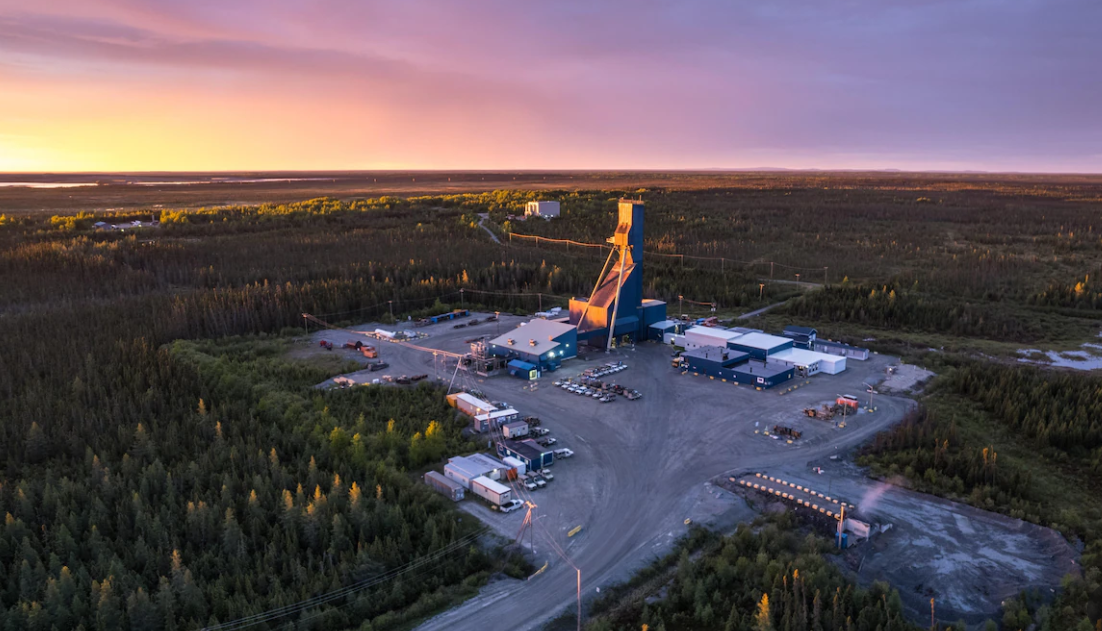
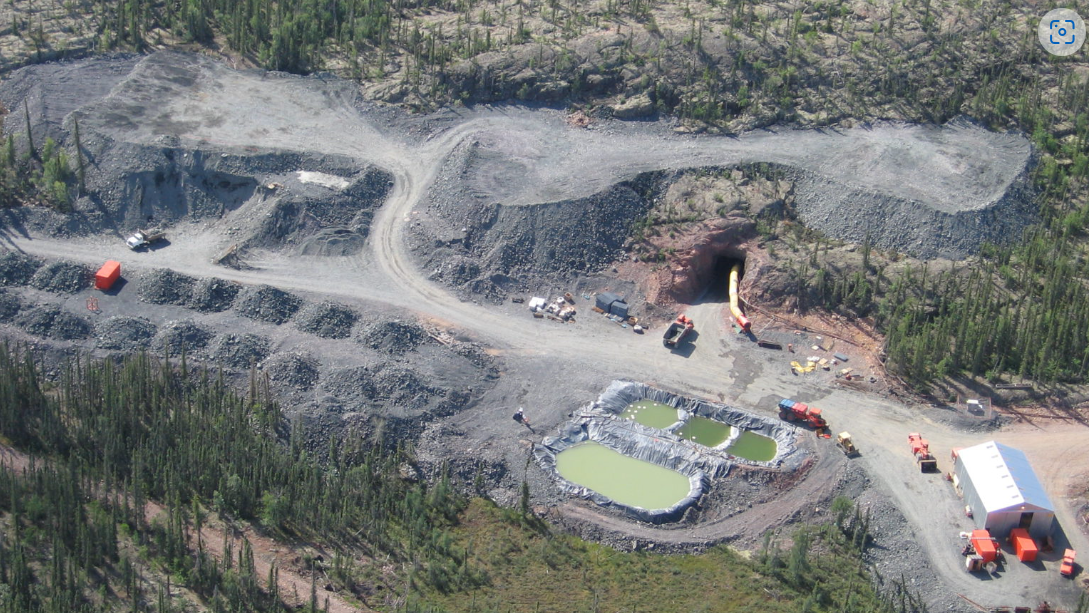
The Mine Permit Navigator is meant to be used as an early-stage resource for mining proponents beginning to plan a project. Courtesy of Natural Resources Canada.
A new digital platform aiming to bring greater clarity to Canada’s federal mine permitting process is seeking user feedback to inform future improvements.
The Mine Permit Navigator, launched by Natural Resources Canada’s (NRCan) CanmetMINING research centre in March at the 2026 PDAC Convention, brings federal permitting information and regulatory resources together in a single online tool. It centralizes information that already exists across different Government of Canada departments, including legislation, regulations, application guidance and contacts.
The Navigator is the result of several years of workshops with the mining industry focused on the challenges companies face when opening or expanding a mine, said Lianne Girard, environmental scientist at CanmetMINING, in an interview with CIM Magazine.
A key challenge identified through those discussions was knowing where to start, who to contact and what requirements may apply when developing a project.
“One thing that we really understood was the need for guidance at very early stages,” she said.
That feedback led NRCan to develop an online tool to help mining proponents navigate the initial stages of the federal permitting process.
“Prior to the tool, how someone would go about getting the information is they would do a really extensive Google search and try to find all the information they need,” said Girard.
NRCan worked with the federal departments involved in regulating mining projects to centralize those resources. The intention is to make it less likely that a company misses an essential requirement while also reducing their time spent searching for information.
The tool uses a questionnaire format and plain language, said Girard. Users begin by identifying broad project activities—such as constructing a new mine, power or transportation—before selecting more specific activities associated with their project. The Navigator then generates potentially applicable legislation and regulations based on those selections.
Users can continue through additional questions to identify their responsibilities under individual pieces of legislation. The final results include relevant contacts, application information, regulatory guidance and program websites, which can then be downloaded as a starting checklist for the project.
“It’s really timely given the priority of having mine projects be approved in a shorter timeline than we’ve had in the past,” said Girard. However, she emphasized that the Navigator itself is not meant to provide approvals or directly shorten regulatory timelines.
“The tool itself doesn’t provide any approvals like that,” she said. “Just your general research phase to understand what kind of permits you need—that is where this tool comes in.”
Request for feedback
The Navigator is intended to evolve based on how mining companies use it. NRCan launched a user survey in June to gather feedback on the tool’s functionality, layout and content, as well as any gaps or issues users encounter.
“That’s kind of like the general feedback that we’re looking to get from the mining industry,” said Girard. “Essentially understanding if [the Navigator is] hitting the mark, and if not, please tell us how we can make it better.”
The survey is also helping NRCan to identify what users want to see in future versions.
“We have a team that’s dedicated to making those improvements,” she said. “We have a couple of things in the works right now.”
Some survey responses have already suggested adding provincial and territorial resources, as well as information related to Indigenous engagement and the duty to consult.
According to Girard, NRCan is exploring a more comprehensive approach to provincial and territorial integration. Some provinces and territories are developing their own permitting tools, and NRCan is looking for a partner to scale and explore how those resources could eventually be brought together with federal information.
Because the Navigator was developed with the federal departments responsible for the relevant regulations, Girard said the goal is for it to remain a reliable and current source of information.
“It’s going to stay up to date and hopefully save people time and bring them clarity as they’re trying to navigate a really complex process,” she said.
The Mine Permit Navigator is available here. The user feedback survey is available here.