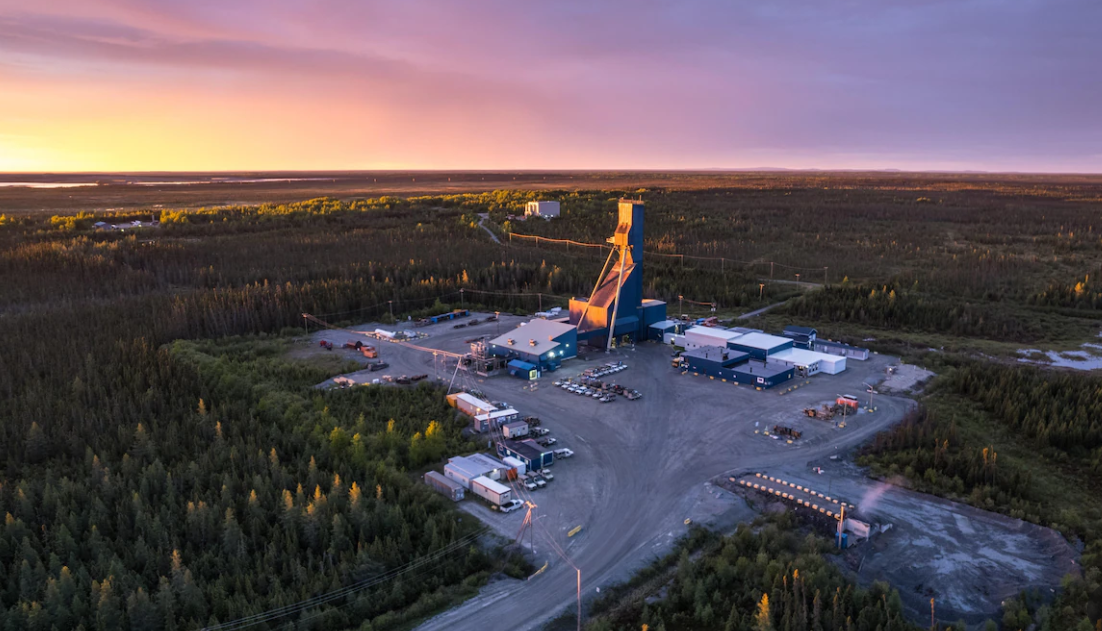
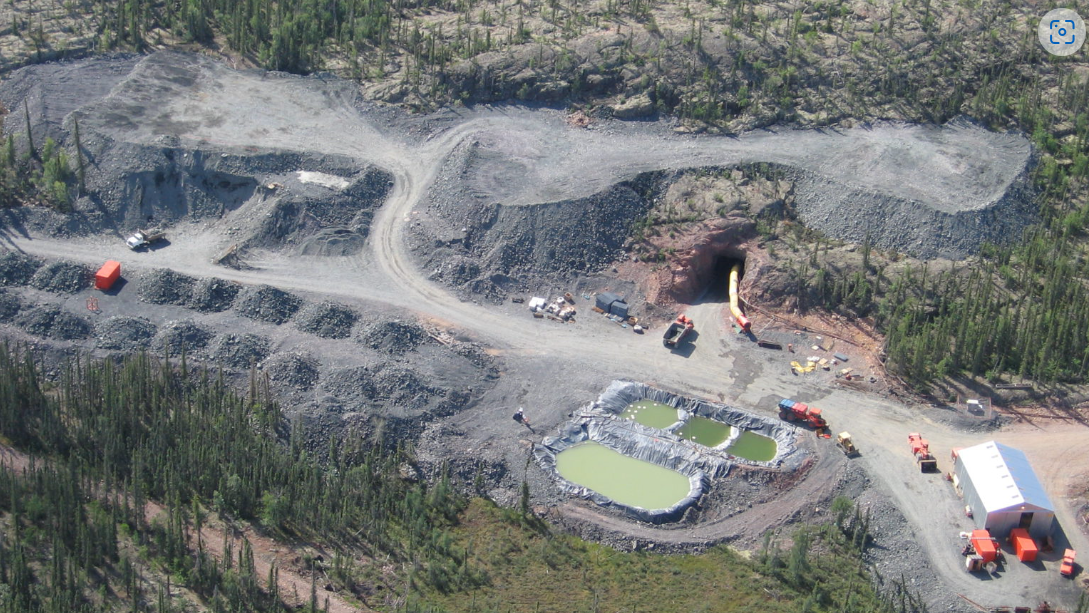
Capstone Copper is planning two expansion projects at the Mantoverde copper mine as part of a broader effort to boost its copper output in Chile. Courtesy of Capstone Copper.
Welcome back to your weekly mining news recap, where we catch you up on some of the news you may have missed. This week’s headlines include the unfolding conflict over Stelco between Cleveland-Cliffs and the Canadian government, federal and Yukon governments seeking to dismiss First Nation lawsuit related to mining oversight and the release of third quarter financial results.
As of today, more than 1,200 unionized workers at Teck’s Highland Valley Copper operation in British Columbia remain on strike after contract talks failed to produce an agreement on Oct. 24, CBC News reported. The union said Teck’s latest offer fell short of members’ expectations, while the company said it remains committed to reaching a fair agreement. According to Teck, operations at the site are continuing at reduced capacity.
The federal government will provide $193.3 million to Rio Tinto and Aluminerie Alouette for aluminum production upgrades in Quebec. Rio Tinto will receive $164.8 million for modernization projects at its Alma and Grande-Baie smelters, including a new billet casting centre and furnace upgrades. Aluminerie Alouette will receive $28.5 million for improvements at its Sept-Îles facility. The projects aim to strengthen the competitiveness of the Canadian aluminum sector as producers continue to face U.S. tariffs.
Canadian miner Capstone Copper plans to invest over US$3 billion in Chile, aiming to double its copper production in the country to around 300,000 tonnes annually by 2031, Mining.com reported. The investment plan includes around US$2.3 billion for the Santo Domingo copper project and around US$220 million for two expansion projects at the nearby Mantoverde mine. This announcement comes as the World Bank raised its 2027 copper price forecast by 18 per cent to US$13,000 per tonne, citing mine supply constraints and growing demand from power grids and data centres.
Cleveland-Cliffs CEO Lourenco Goncalves told CBC News on Tuesday that he acquired Stelco to stop the Canadian steelmaker from undercutting his company’s U.S. operations. The remarks came amid a dispute over layoffs and the employment commitments Cleveland-Cliffs made when it acquired Stelco in 2024. Ottawa alleged the company has violated its obligations under the Investment Canada Act. Goncalves then said on Wednesday that the company could recall the layoff decision that will impact 175 workers by Christmas if Canadian customers purchase more Stelco steel.
The Yukon and federal governments are seeking to dismiss a 2025 lawsuit by the First Nation of Na-Cho Nyäk Dun alleging treaty breaches and decades of failures in mining oversight, CBC News reported. The First Nation cited the Eagle Gold mine heap-leach failure that occurred in 2024 as an example of the consequences of unsustainable development on its territory. Both governments deny wrongdoing and say they fulfilled their legal and consultation obligations. The First Nation is now calling for a ban on unsustainable development in its traditional territory and monetary damages, including $150 million from the Yukon. A trial is scheduled for January.
Some mining companies released third quarter financial results this week, including Agnico Eagle Mines, Alamos Gold, Kinross Gold, First Quantum Minerals, Eldorado Gold, Capstone Copper, Centerra Gold, Imperial Oil, Cameco and Teck.
Agnico Eagle Mines is testing a remotely operated firefighting and rescue robot at three of its underground operations in Quebec, I, Ashley Fish-Robertson reported for CIM Magazine. The robot is intended to help mine rescue teams respond to fires and other emergencies while reducing their exposure to hazardous conditions. The robot can also transport equipment and injured workers, while operating in extreme temperatures.
Artist Shannon Carla King is using paintings to raise awareness of successful mine reclamation, Mehanaz Yakub reported for CIM Magazine. King’s latest work depicts the former Cluff Lake uranium mine in Saskatchewan, which ceased production in 2002 and has since undergone extensive reclamation. Using drone footage provided by Orano Canada as a reference, King emphasizes the importance of documenting reclaimed sites and making information accessible to the public.
That’s all for this week. If you’ve got feedback, you can always reach us at editor@cim.org. If you’ve got something to add, why not join the conversation on our Facebook, Twitter, LinkedIn or Instagram pages?