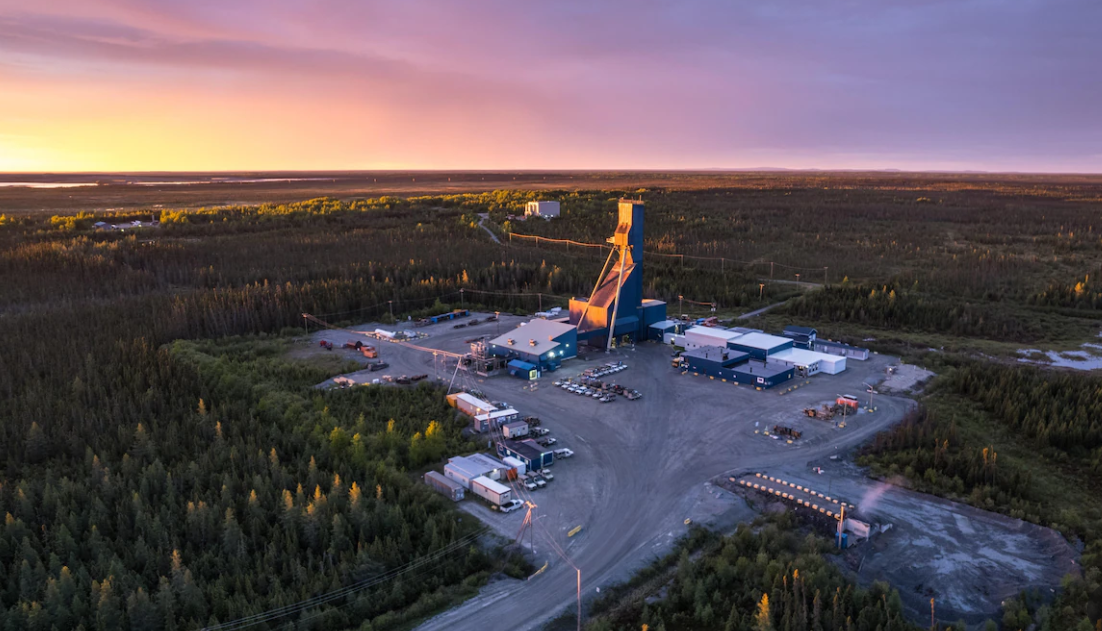
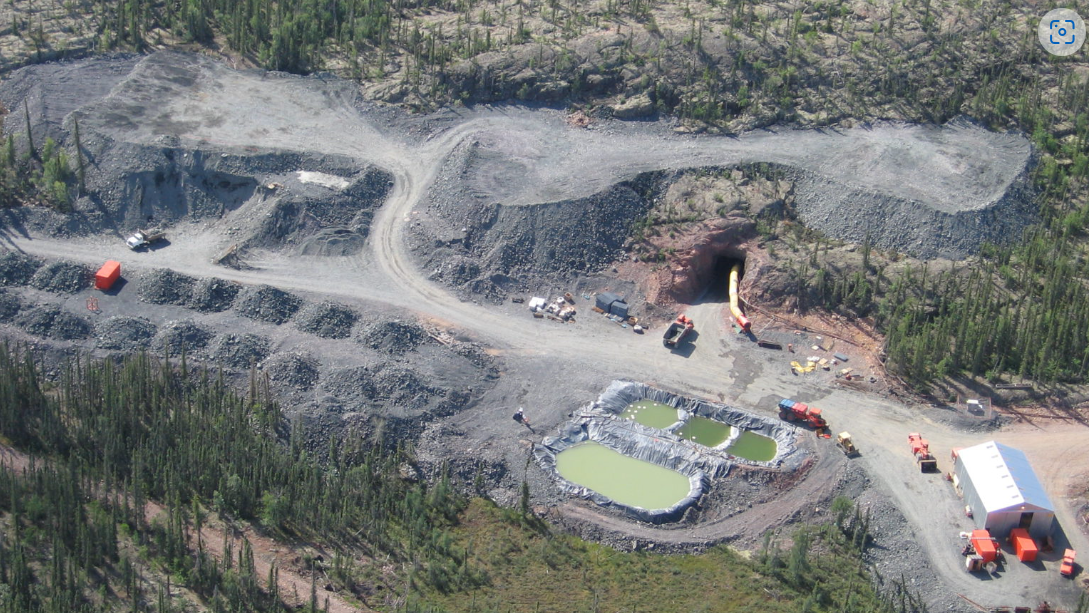
This week, Eldorado Gold announced that its Skouries project in Greece had produced its first copper-gold concentrate. Courtesy of Eldorado Gold.
Welcome back to your weekly mining news recap, where we catch you up on some of the news you may have missed. This week’s headlines include the launch of the Future Materials Alliance, a potential new route to alumina production at the Thor project in Saskatchewan and Agnico Eagle’s subsidiary sells two projects in Alaska.
The Canadian and Newfoundland and Labrador governments have agreed to coordinate environmental and impact assessments to create a more efficient “one project, one review” process. The agreement emphasizes sharing information, reducing duplication for projects, supporting Indigenous participation and consultation, and maintaining each government’s legal authority.
Eldorado Gold has produced first copper-gold concentrate at its Skouries project in Greece. Commercial production is expected in the fourth quarter of this year. Skouries is expected to produce about 140,000 ounces of gold and 67 million pounds of copper annually over its 20-year mine life.
The Canada Infrastructure Bank has finalized a $20 million loan for an Inuit-led wind project supporting Agnico Eagle’s Hope Bay gold mine in Nunavut, The Canadian Press reported. The project, being carried out by Kitikmeot Inuit Association and Tugliq Energy, will combine a 4.2-megawatt turbine with battery storage, potentially reducing diesel consumption at the mine by three million litres annually and cutting emissions by about 13,000 tonnes.
The Future Materials Alliance has launched to advance critical materials development particularly, in Western and Northern Canada, with a focus on processing, refining and materials production. Led by the Energy Futures Lab, the alliance is bringing together industry, governments, Indigenous communities and other partners to identify opportunities and strengthen the infrastructure, workforce and investment conditions needed to build resilient supply chains across Canada.
Canadian Energy Metals has achieved proof of concept for producing smelter-grade alumina from black shales at its Thor project in Saskatchewan, demonstrating a potential non-bauxite path to alumina production. Testing consistently produced samples matching the purity and specifications of smelter-grade alumina made using the industry-standard Bayer process. The company has also launched a prefeasibility study for the Thor project while continuing pilot work and exploration.
Agnico Eagle Mines’ U.S. subsidiary has agreed to sell its interests in the Delta sulfide project and Helm Bay gold project, both in Alaska, to Vizsla Copper. In return, Agnico will receive an initial 19.99 per cent stake in Vizsla, additional shares that could increase its holding to about 22 per cent, and warrants. The initial and deferred shares have a combined value of around $32 million. The deal is expected to close during the fourth quarter of this year.
Canada Investment Summit, set to take place from Sept. 14-15 in Toronto, will showcase more than 160 projects seeking investment, with a major focus on natural resources, The Globe and Mail reported. The prospectus includes 11 oil and gas projects, 31 proposals for clean energy projects and 63 proposals involving minerals and metals. Among these projects is the planned expansion of the Port of Churchill in Manitoba, which was referred to the Major Projects Office in 2025.
Vale has reportedly paused plans to take its base-metals subsidiary, Vale Base Metals, public, The Globe and Mail reported. The news comes amid political opposition from Brazil’s government over concerns about the country losing influence over strategic copper assets. Vale Base Metals had been preparing for an initial public offering, but the transaction is now on hold indefinitely, though it could be revived later according to sources familiar with the matter. Vale Base Metals holds copper, nickel and cobalt operations worldwide, including in Ontario, Manitoba and Newfoundland and Labrador.
Emissions Reduction Alberta—through its Tailings Technology Challenge—has invested $46 million in nine projects aimed at reducing the environmental impact of oil sands tailings ponds, Jax Jacobsen reported for CIM Magazine. The funded projects include technologies that focus on treating and recycling water, stabilizing tailings, improving monitoring and accelerating reclamation. If successfully implemented, the projects could reduce emissions, improve water recovery and reuse, support faster reclamation and help advance new technologies toward commercial deployment.
That’s all for this week. If you’ve got feedback, you can always reach us at editor@cim.org. If you’ve got something to add, why not join the conversation on our Facebook, Twitter, LinkedIn or Instagram pages?